Kubernetes for People Who Have to Run It
For the engineer who already has this in production and did not choose it. The request path outside in, scheduling and node pools, the address space that runs out while the hardware sits idle, and a control-plane bootstrap worked through its real failure sequence to a conclusion.
- trending_upAdvanced
- schedule9h 20m
- menu_book12 堂課程
- publicEnglish
- workspace_premiumBasic
課程簡介
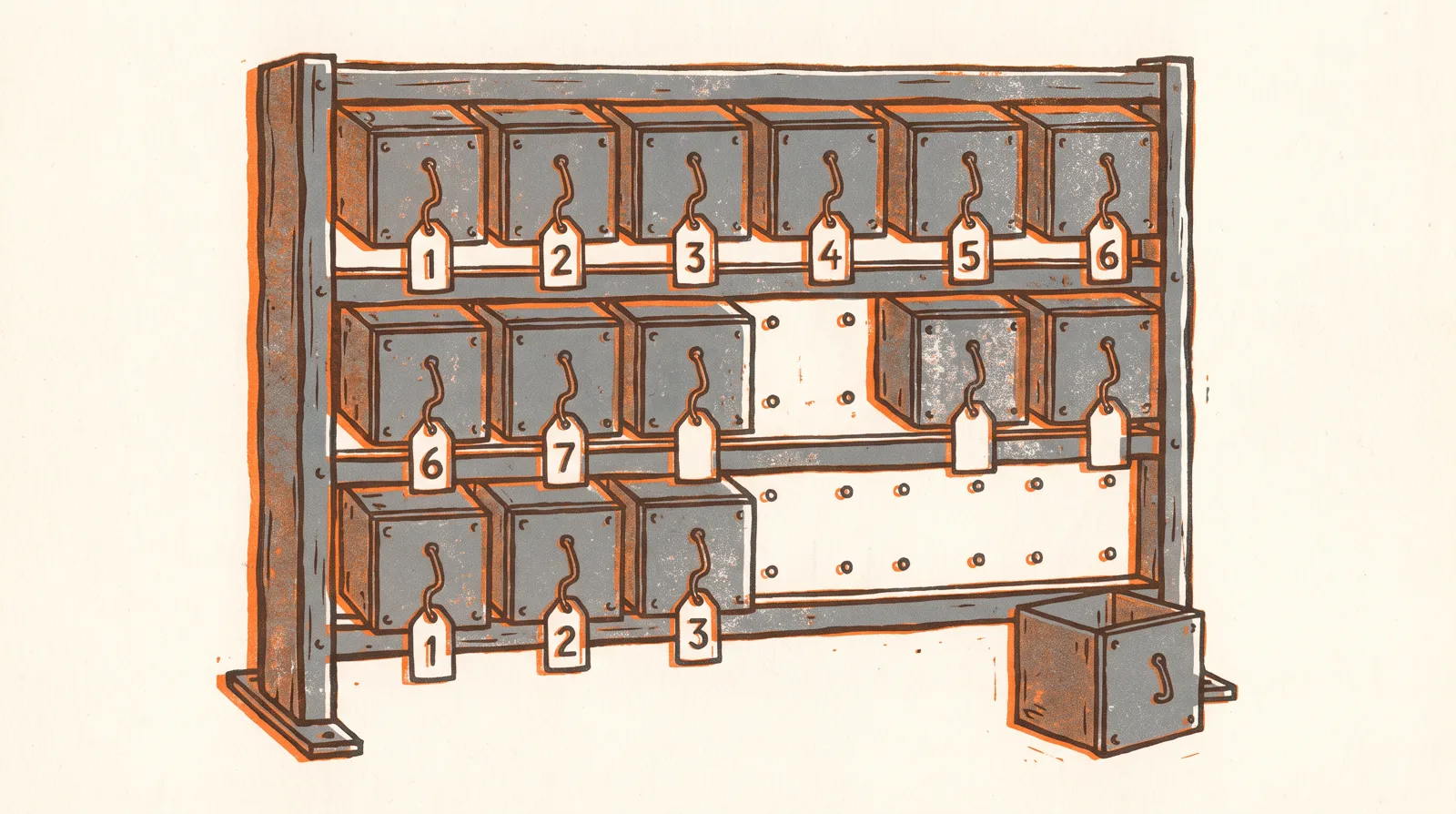
This is the highest level in the Library and it does not open by explaining what a container is for. It assumes you run something. Somebody else built the cluster, or you built it in a hurry two years ago, and you are now the person who gets rung when it stops. If you are still deciding whether to adopt this platform at all, read the fourth module of Securing a Cloud Estate You Didn't Build first — it works through a client who asked for a Kubernetes-scale answer to a spreadsheet-scale problem, and it gives you the words to refuse. That argument is finished and this segment does not reopen it. This one starts one step later. Everything here is taught from something that failed. You will apply an Ingress that is accepted and does nothing, schedule pods that never run, resolve a service name perfectly and connect to nothing, and fill a machine with 32 idle cores and 96 GB of untouched memory until it refuses the next twenty-six pods. That last one is the best technical moment in the source material: a node with headroom for around four hundred pods that can only be given 256 internal addresses per interface, so full-mesh communication caps density long before the processor does. The last module builds a control plane from nothing on a throwaway host. It fails four times first — a leftover file, forwarding disabled, a port already taken, and a bootstrap that hangs for four minutes and then gives up with an error that does not name the cause. The bring-up in the source notes stops at that hang, unfinished. This one finishes it. The thread running through all four modules is a single habit: in this platform a green tick means an object was accepted, and says nothing whatsoever about whether anything acted on it.
課程大綱 · 4 個單元
lock隨存取權限解鎖- 01 實際上在運行什麼,從外向內看3 堂課程·1h 51m
大家都是從內向外學習這個平台,然後在凌晨三點的壓力下從外向內進行除錯。這個模組按照事件抵達的方向來建立地圖,結束於任何移交文件都不會包含的那一半。
- 02 事物落地之處與原因3 堂課程·1h 56m
任何人都能放置一個 pod 一次。工作是讓這個設置在與十一個從未聽過它的工程師的接觸中存活下來,這需要大多數人只用過一半的機制的兩個部分。
- 03 網路與用盡的位址空間3 堂課程·2h 41m
本模組中的兩個實驗室產生一個叢集,按照你的監控蒐集的每項指標都是健全的,卻無法啟動另一個工作負載。第二個在一小時後完全沒有留下任何證據,這才是真正在教授的部分。
- 04 失敗的 Bootstrap3 堂課程·2h 52m
大多數讀到這裡的人永遠不會構建控制平面,這是合理的決定而非缺陷。但無論如何做一次:bring-up 是這個平台唯一會依序列舉自己、告訴你它由什麼組成的時刻。
常見問題
- 我將在 Kubernetes for People Who Have to Run It 中學到什麼?
- For the engineer who already has this in production and did not choose it. The request path outside in, scheduling and node pools, the address space that runs out while the hardware sits idle, and a control-plane bootstrap worked through its real failure sequence to a conclusion.
- 我需要事先具備經驗嗎?
- 建議在開始 Kubernetes for People Who Have to Run It 前具備一些先備知識。
- Kubernetes for People Who Have to Run It 需要多長時間?
- Kubernetes for People Who Have to Run It 包含 4 個單元和 12 堂課程。你可以按自己的進度學習。
- 我如何取得存取權限?
- Kubernetes for People Who Have to Run It 包含在任何付費訂閱方案中。
電腦科學 中的更多內容