Kubernetes for People Who Have to Run It
For the engineer who already has this in production and did not choose it. The request path outside in, scheduling and node pools, the address space that runs out while the hardware sits idle, and a control-plane bootstrap worked through its real failure sequence to a conclusion.
- trending_upAdvanced
- schedule9h 20m
- menu_book12 Lektionen
- publicEnglish
- workspace_premiumBasic
Briefing
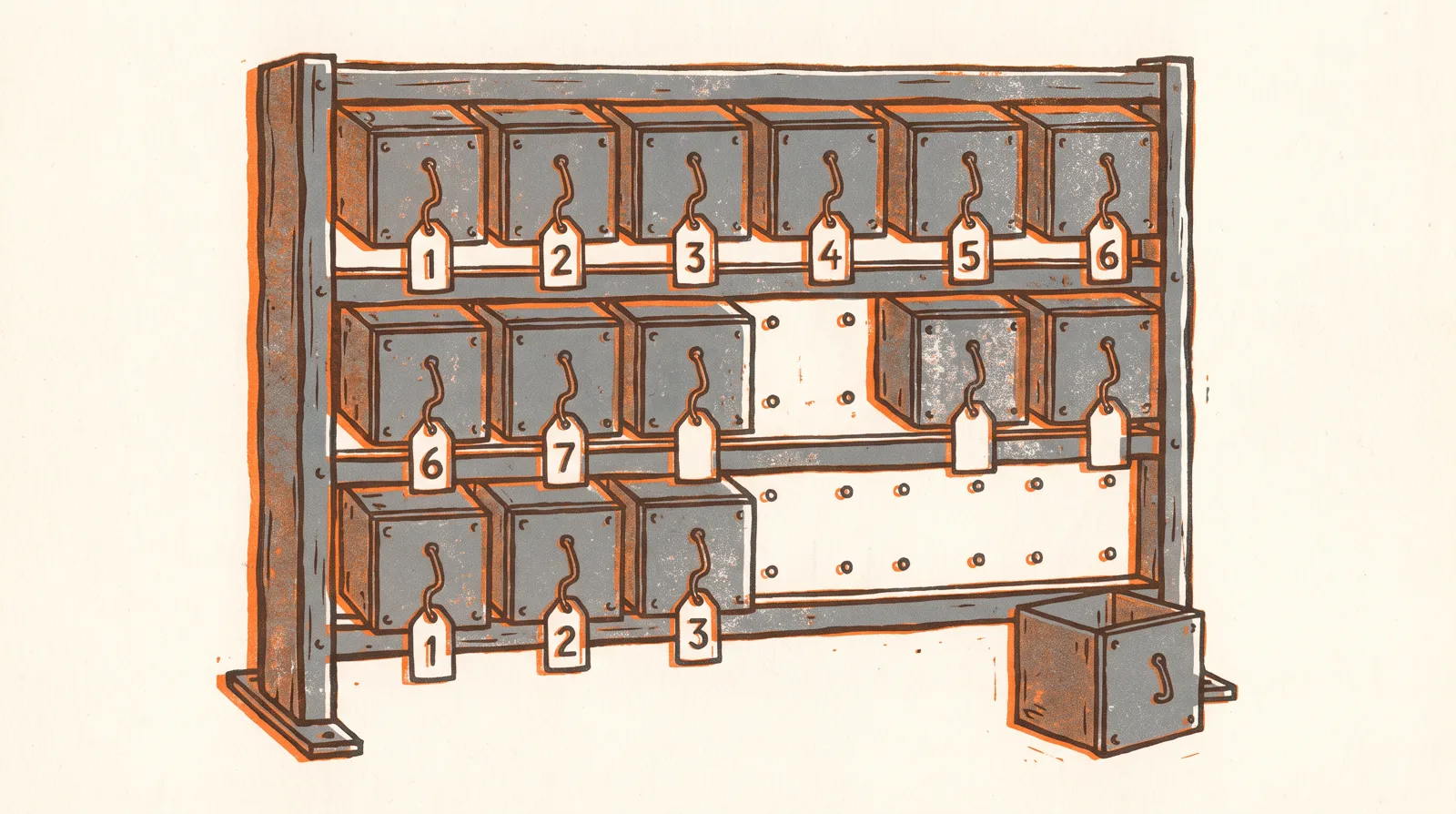
This is the highest level in the Library and it does not open by explaining what a container is for. It assumes you run something. Somebody else built the cluster, or you built it in a hurry two years ago, and you are now the person who gets rung when it stops. If you are still deciding whether to adopt this platform at all, read the fourth module of Securing a Cloud Estate You Didn't Build first — it works through a client who asked for a Kubernetes-scale answer to a spreadsheet-scale problem, and it gives you the words to refuse. That argument is finished and this segment does not reopen it. This one starts one step later. Everything here is taught from something that failed. You will apply an Ingress that is accepted and does nothing, schedule pods that never run, resolve a service name perfectly and connect to nothing, and fill a machine with 32 idle cores and 96 GB of untouched memory until it refuses the next twenty-six pods. That last one is the best technical moment in the source material: a node with headroom for around four hundred pods that can only be given 256 internal addresses per interface, so full-mesh communication caps density long before the processor does. The last module builds a control plane from nothing on a throwaway host. It fails four times first — a leftover file, forwarding disabled, a port already taken, and a bootstrap that hangs for four minutes and then gives up with an error that does not name the cause. The bring-up in the source notes stops at that hang, unfinished. This one finishes it. The thread running through all four modules is a single habit: in this platform a green tick means an object was accepted, and says nothing whatsoever about whether anything acted on it.
Kursübersicht · 4 Module
lockFreigeschaltet mit Zugang- 01 Was tatsächlich läuft, von außen nach innen3 Lektionen·1h 51m
Jeder lernt diese Plattform von innen nach außen und muss sie dann unter Druck um 3 Uhr morgens von außen nach innen debuggen. Dieses Modul erstellt die Karte in der Richtung, in der ein Incident…
- 02 Wo Dinge landen und warum3 Lektionen·1h 56m
Jeder kann einen Pod einmal platzieren. Die Arbeit ist, die Anordnung beim Kontakt mit elf anderen Ingenieuren zu bewahren, die davon noch nie gehört haben, und das erfordert beide Hälften eines…
- 03 Das Netzwerk und der Adressraum, der zur Neige ging3 Lektionen·2h 41m
Zwei Labs in diesem Modul erzeugen einen Cluster, der nach jedem Maß, das Ihr Monitoring erfasst, fehlerfrei ist und keinen weiteren Workload starten kann. Das zweite hinterlässt nach einer Stunde…
- 04 Der Bootstrap, der fehlgeschlagen ist3 Lektionen·2h 52m
Die meisten Personen, die dies lesen, werden niemals eine Control Plane aufbauen, und das ist eine vernünftige Entscheidung statt einer Lücke. Mach es trotzdem einmal: der Bring-up ist der einzige…
Häufig gefragt
- Was lernst du in Kubernetes for People Who Have to Run It?
- For the engineer who already has this in production and did not choose it. The request path outside in, scheduling and node pools, the address space that runs out while the hardware sits idle, and a control-plane bootstrap worked through its real failure sequence to a conclusion.
- Brauche ich Vorkenntnisse?
- Vorkenntnisse werden vor Beginn von Kubernetes for People Who Have to Run It empfohlen.
- Wie lange dauert Kubernetes for People Who Have to Run It?
- Kubernetes for People Who Have to Run It umfasst 4 Module und 12 Lektionen. Du lernst in deinem eigenen Tempo.
- Wie bekomme ich Zugang?
- Kubernetes for People Who Have to Run It ist in jedem bezahlten Abo enthalten.
Mehr in Computer Science