Kubernetes for People Who Have to Run It
For the engineer who already has this in production and did not choose it. The request path outside in, scheduling and node pools, the address space that runs out while the hardware sits idle, and a control-plane bootstrap worked through its real failure sequence to a conclusion.
- trending_upAdvanced
- schedule9h 20m
- menu_book12 lessons
- publicEnglish
- workspace_premiumBasic
Briffing
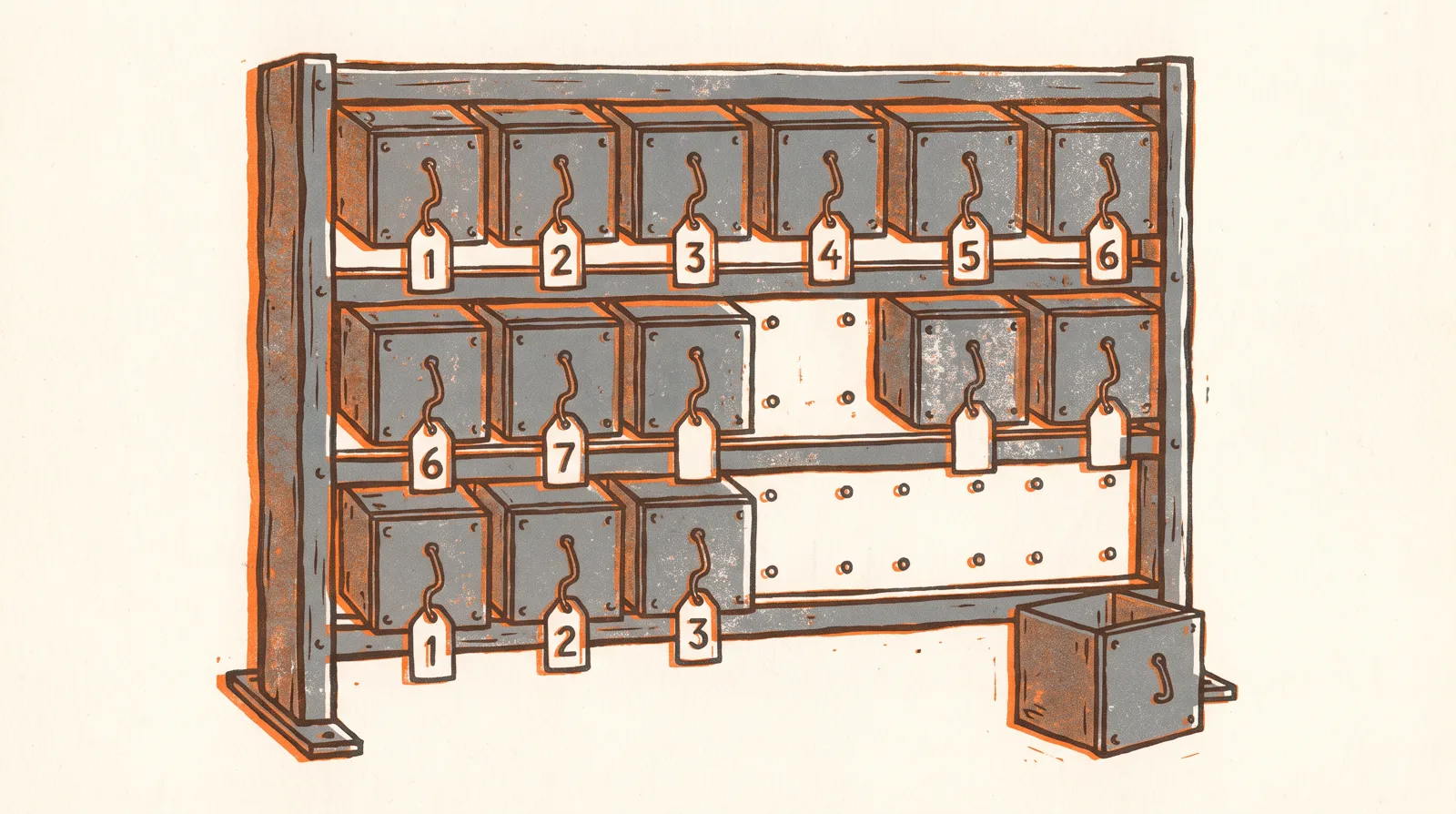
This is the highest level in the Library and it does not open by explaining what a container is for. It assumes you run something. Somebody else built the cluster, or you built it in a hurry two years ago, and you are now the person who gets rung when it stops. If you are still deciding whether to adopt this platform at all, read the fourth module of Securing a Cloud Estate You Didn't Build first — it works through a client who asked for a Kubernetes-scale answer to a spreadsheet-scale problem, and it gives you the words to refuse. That argument is finished and this segment does not reopen it. This one starts one step later. Everything here is taught from something that failed. You will apply an Ingress that is accepted and does nothing, schedule pods that never run, resolve a service name perfectly and connect to nothing, and fill a machine with 32 idle cores and 96 GB of untouched memory until it refuses the next twenty-six pods. That last one is the best technical moment in the source material: a node with headroom for around four hundred pods that can only be given 256 internal addresses per interface, so full-mesh communication caps density long before the processor does. The last module builds a control plane from nothing on a throwaway host. It fails four times first — a leftover file, forwarding disabled, a port already taken, and a bootstrap that hangs for four minutes and then gives up with an error that does not name the cause. The bring-up in the source notes stops at that hang, unfinished. This one finishes it. The thread running through all four modules is a single habit: in this platform a green tick means an object was accepted, and says nothing whatsoever about whether anything acted on it.
Amlinelliad y cwrs · 4 modules
lockYn datgloi gyda mynediad- 01 Beth Sy'n Rhedeg Mewn Gwirionedd, O'r Tu Allan I Mewn3 lessons·1h 51m
Mae pawb yn dysgu'r platform hwn o'r tu mewn allan ac yna'n gorfod ei dadarganfod o'r tu allan dan bwysau am 3am. Mae'r modiwl hwn yn adeiladu'r map yn y cyfeiriad y mae digwyddiad yn cyrraedd o, ac…
- 02 Ble Mae Pethau'n Glanio, a Pam3 lessons·1h 56m
Mae unrhyw un yn gallu gosod pod unwaith. Y gwaith yw gwneud i'r trefniant oroesi cyswllt â un ar ddeg o feirniaid eraill na chlywsant erioed amdano, ac mae hynny'n cymryd dwy ran mecanwaith nad yw'r…
- 03 Y Rhwydwaith, a'r Gofod Cyfeiriad a Rhedodd Allan3 lessons·2h 41m
Mae dwy lab yn y modiwl hwn yn cynhyrchu clwstwr sy'n iach yn ôl pob mesur mae eich monitro yn ei gasglu ac na all ddechrau llwyth gwaith arall. Mae'r ail yn gadael dim tystiolaeth o gwbl ar ôl awr,…
- 04 Y Bootstrap a Fethai3 lessons·2h 52m
Ni fydd y rhan fwyaf o bobl yn darllen hyn byth yn adeiladu plân rheoli, a dyma benderfyniad rhesymol yn hytrach na bwlch. Gwnewch e unwaith beth bynnag: y dod-i-fyny yw'r unig achlysur y mae'r…
Cwestiynau a ofynnir yn aml
- Beth a ddysgaf yn Kubernetes for People Who Have to Run It?
- For the engineer who already has this in production and did not choose it. The request path outside in, scheduling and node pools, the address space that runs out while the hardware sits idle, and a control-plane bootstrap worked through its real failure sequence to a conclusion.
- A oes angen profiad blaenorol arnaf?
- Argymhellir rhywfaint o wybodaeth flaenorol cyn dechrau Kubernetes for People Who Have to Run It.
- Pa mor hir y mae Kubernetes for People Who Have to Run It yn ei gymryd?
- Mae Kubernetes for People Who Have to Run It yn cynnwys 4 modules ac 12 lessons. Rydych chi'n dysgu ar eich pace eich hun.
- Sut rydw i'n cael mynediad?
- Mae Kubernetes for People Who Have to Run It yn cael ei gynnwys gydag unrhyw danysgrifiad talu.
Mwy yn Gwyddoniaeth Gyfrifiadurol