Kubernetes for People Who Have to Run It
For the engineer who already has this in production and did not choose it. The request path outside in, scheduling and node pools, the address space that runs out while the hardware sits idle, and a control-plane bootstrap worked through its real failure sequence to a conclusion.
- trending_upAdvanced
- schedule9h 20m
- menu_book12 pelajaran
- publicEnglish
- workspace_premiumBasic
Pengarahan
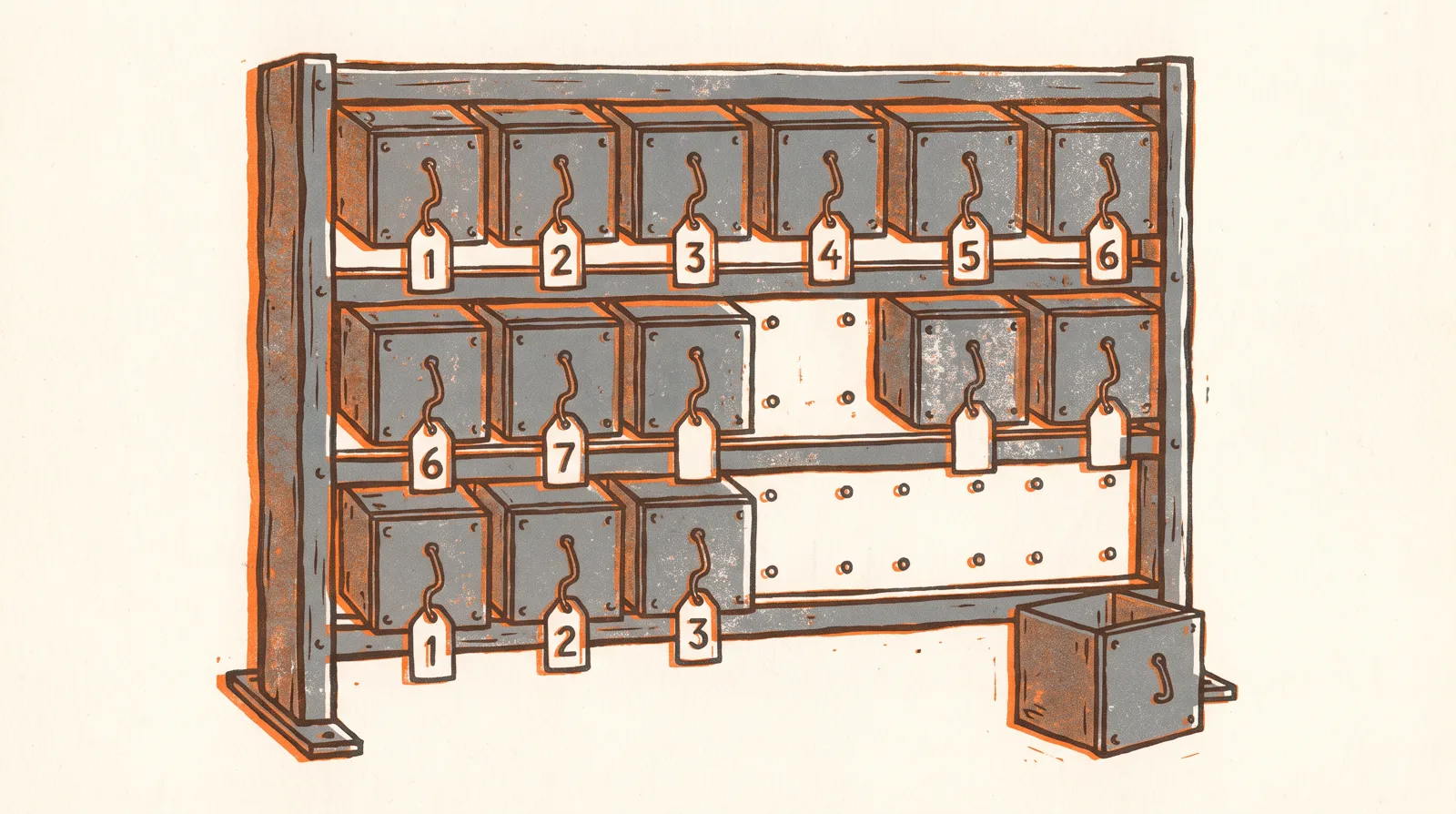
This is the highest level in the Library and it does not open by explaining what a container is for. It assumes you run something. Somebody else built the cluster, or you built it in a hurry two years ago, and you are now the person who gets rung when it stops. If you are still deciding whether to adopt this platform at all, read the fourth module of Securing a Cloud Estate You Didn't Build first — it works through a client who asked for a Kubernetes-scale answer to a spreadsheet-scale problem, and it gives you the words to refuse. That argument is finished and this segment does not reopen it. This one starts one step later. Everything here is taught from something that failed. You will apply an Ingress that is accepted and does nothing, schedule pods that never run, resolve a service name perfectly and connect to nothing, and fill a machine with 32 idle cores and 96 GB of untouched memory until it refuses the next twenty-six pods. That last one is the best technical moment in the source material: a node with headroom for around four hundred pods that can only be given 256 internal addresses per interface, so full-mesh communication caps density long before the processor does. The last module builds a control plane from nothing on a throwaway host. It fails four times first — a leftover file, forwarding disabled, a port already taken, and a bootstrap that hangs for four minutes and then gives up with an error that does not name the cause. The bring-up in the source notes stops at that hang, unfinished. This one finishes it. The thread running through all four modules is a single habit: in this platform a green tick means an object was accepted, and says nothing whatsoever about whether anything acted on it.
Kerangka kursus · 4 modul
lockTerbuka dengan akses- 01 Apa yang Sebenarnya Berjalan, Dari Luar ke Dalam3 pelajaran·1h 51m
Semua orang mempelajari platform ini dari dalam ke luar, lalu harus men-debug-nya dari luar saat ada tekanan pukul 3 pagi. Modul ini membangun peta dalam arah insiden tiba, dan berakhir dengan…
- 02 Tempat Sesuatu Mendarat, dan Mengapa3 pelajaran·1h 56m
Siapa pun bisa menempatkan pod sekali. Pekerjaannya adalah membuat pengaturan itu bertahan setelah bertemu dengan sebelas engineer lain yang tidak pernah mendengarnya, dan itu memerlukan kedua bagian…
- 03 Jaringan, dan Ruang Alamat yang Habis3 pelajaran·2h 41m
Dua lab dalam modul ini menghasilkan cluster yang sehat menurut setiap metrik yang dikumpulkan monitoring Anda dan tidak dapat memulai workload lain. Lab kedua tidak meninggalkan jejak sama sekali…
- 04 Bootstrap yang Gagal3 pelajaran·2h 52m
Kebanyakan orang yang membaca ini tidak akan pernah membangun control plane, dan itu adalah keputusan yang masuk akal daripada kekurangan. Lakukan sekali saja: bring-up adalah satu-satunya kesempatan…
Sering ditanyakan
- Apa yang akan saya pelajari di Kubernetes for People Who Have to Run It?
- For the engineer who already has this in production and did not choose it. The request path outside in, scheduling and node pools, the address space that runs out while the hardware sits idle, and a control-plane bootstrap worked through its real failure sequence to a conclusion.
- Apakah saya perlu pengalaman sebelumnya?
- Beberapa pengetahuan sebelumnya disarankan sebelum memulai Kubernetes for People Who Have to Run It.
- Berapa lama Kubernetes for People Who Have to Run It?
- Kubernetes for People Who Have to Run It mencakup 4 modul dan 12 pelajaran. Anda belajar sesuai laju Anda sendiri.
- Bagaimana cara saya mendapat akses?
- Kubernetes for People Who Have to Run It termasuk dalam langganan berbayar mana pun.
Lebih banyak di Ilmu Komputer