Kubernetes for People Who Have to Run It
For the engineer who already has this in production and did not choose it. The request path outside in, scheduling and node pools, the address space that runs out while the hardware sits idle, and a control-plane bootstrap worked through its real failure sequence to a conclusion.
- trending_upAdvanced
- schedule9h 20m
- menu_book12 lezioni
- publicEnglish
- workspace_premiumBasic
Briefing
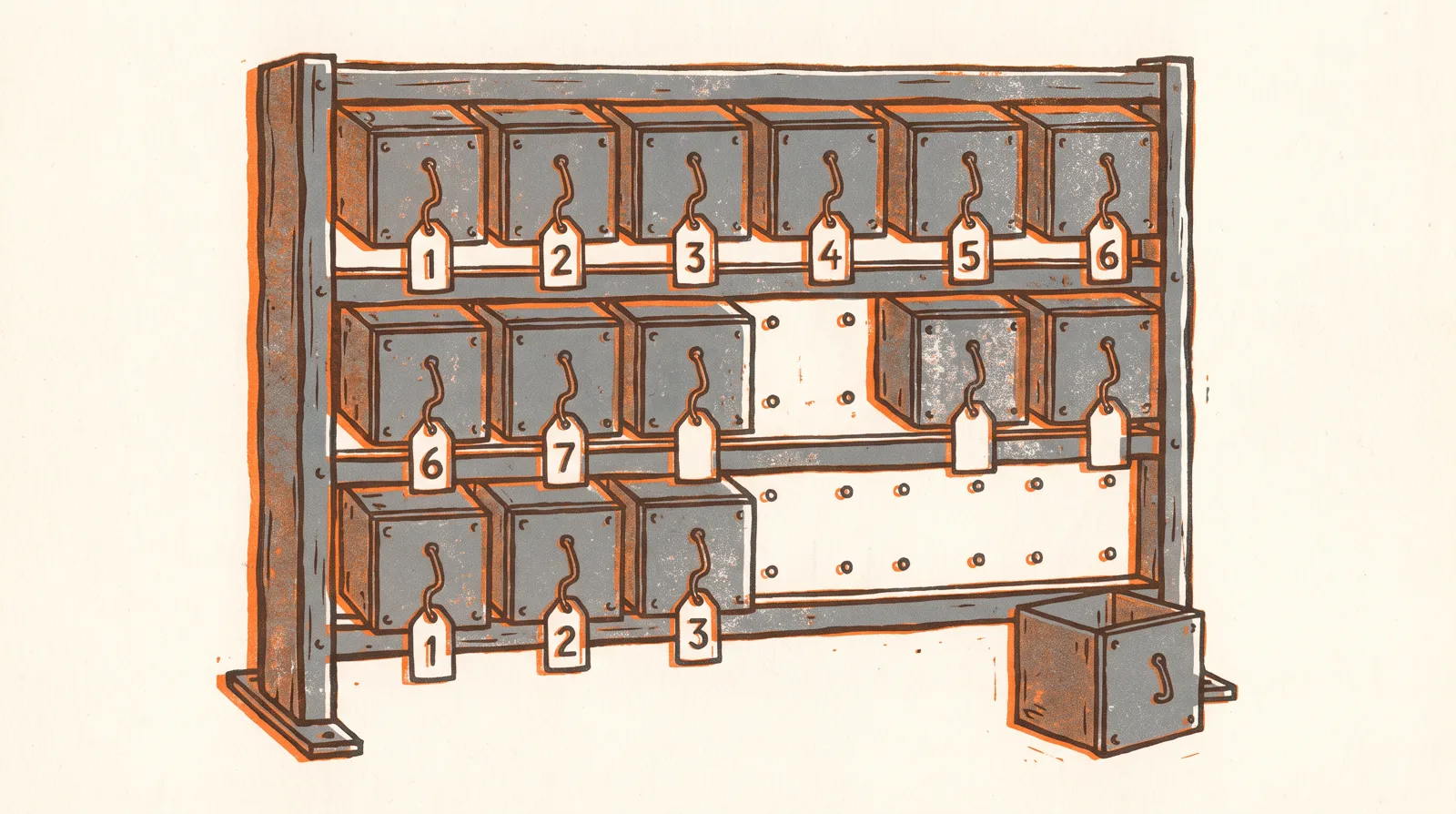
This is the highest level in the Library and it does not open by explaining what a container is for. It assumes you run something. Somebody else built the cluster, or you built it in a hurry two years ago, and you are now the person who gets rung when it stops. If you are still deciding whether to adopt this platform at all, read the fourth module of Securing a Cloud Estate You Didn't Build first — it works through a client who asked for a Kubernetes-scale answer to a spreadsheet-scale problem, and it gives you the words to refuse. That argument is finished and this segment does not reopen it. This one starts one step later. Everything here is taught from something that failed. You will apply an Ingress that is accepted and does nothing, schedule pods that never run, resolve a service name perfectly and connect to nothing, and fill a machine with 32 idle cores and 96 GB of untouched memory until it refuses the next twenty-six pods. That last one is the best technical moment in the source material: a node with headroom for around four hundred pods that can only be given 256 internal addresses per interface, so full-mesh communication caps density long before the processor does. The last module builds a control plane from nothing on a throwaway host. It fails four times first — a leftover file, forwarding disabled, a port already taken, and a bootstrap that hangs for four minutes and then gives up with an error that does not name the cause. The bring-up in the source notes stops at that hang, unfinished. This one finishes it. The thread running through all four modules is a single habit: in this platform a green tick means an object was accepted, and says nothing whatsoever about whether anything acted on it.
Programma del corso · 4 moduli
lockSblocca con l'accesso- 01 Cosa Sta Effettivamente Girando, Da Fuori Verso Dentro3 lezioni·1h 51m
Tutti imparano questa piattaforma da dentro verso fuori e poi devono fare debug da fuori sotto pressione alle 3 di notte. Questo modulo costruisce la mappa nella direzione da cui arriva un incident,…
- 02 Dove le cose si piazzano, e perché3 lezioni·1h 56m
Chiunque può piazzare un pod una volta. Il lavoro è fare in modo che l'arrangiamento sopravviva al contatto con undici altri ingegneri che non ne hanno mai sentito parlare, e questo richiede entrambe…
- 03 La rete e lo spazio degli indirizzi esaurito3 lezioni·2h 41m
Due lab in questo modulo producono un cluster che è sano da ogni misura che il tuo monitoring raccoglie e non riesce ad avviare un altro workload. Il secondo non lascia traccia alcuna dopo un'ora,…
- 04 Il Bootstrap Che Ha Fallito3 lezioni·2h 52m
La maggior parte delle persone che leggeranno questo non costruirà mai un control plane, e questa è una decisione ragionevole piuttosto che una lacuna. Fallo comunque una volta: l'avvio è l'unica…
Domande frequenti
- Cosa imparerò in Kubernetes for People Who Have to Run It?
- For the engineer who already has this in production and did not choose it. The request path outside in, scheduling and node pools, the address space that runs out while the hardware sits idle, and a control-plane bootstrap worked through its real failure sequence to a conclusion.
- Ho bisogno di esperienza precedente?
- È consigliata una certa conoscenza precedente prima di iniziare Kubernetes for People Who Have to Run It.
- Quanto tempo richiede Kubernetes for People Who Have to Run It?
- Kubernetes for People Who Have to Run It include 4 moduli e 12 lezioni. Impari al tuo ritmo.
- Come accedo?
- Kubernetes for People Who Have to Run It è incluso in qualsiasi abbonamento a pagamento.
Altro in Informatica