From Python to C++ — and Why the Difference Matters
You already have a working Python program. You are going to write it again in C++, line for line, and reproduce its worst bug on purpose. Along the way you find out why the compiler wants to know the size of the box before you put anything in it, and why the error now arrives before the program has even run.
- trending_upIntermediate
- schedule6h 15m
- menu_book12 bài học
- publicEnglish
- workspace_premiumBasic
Tóm tắt
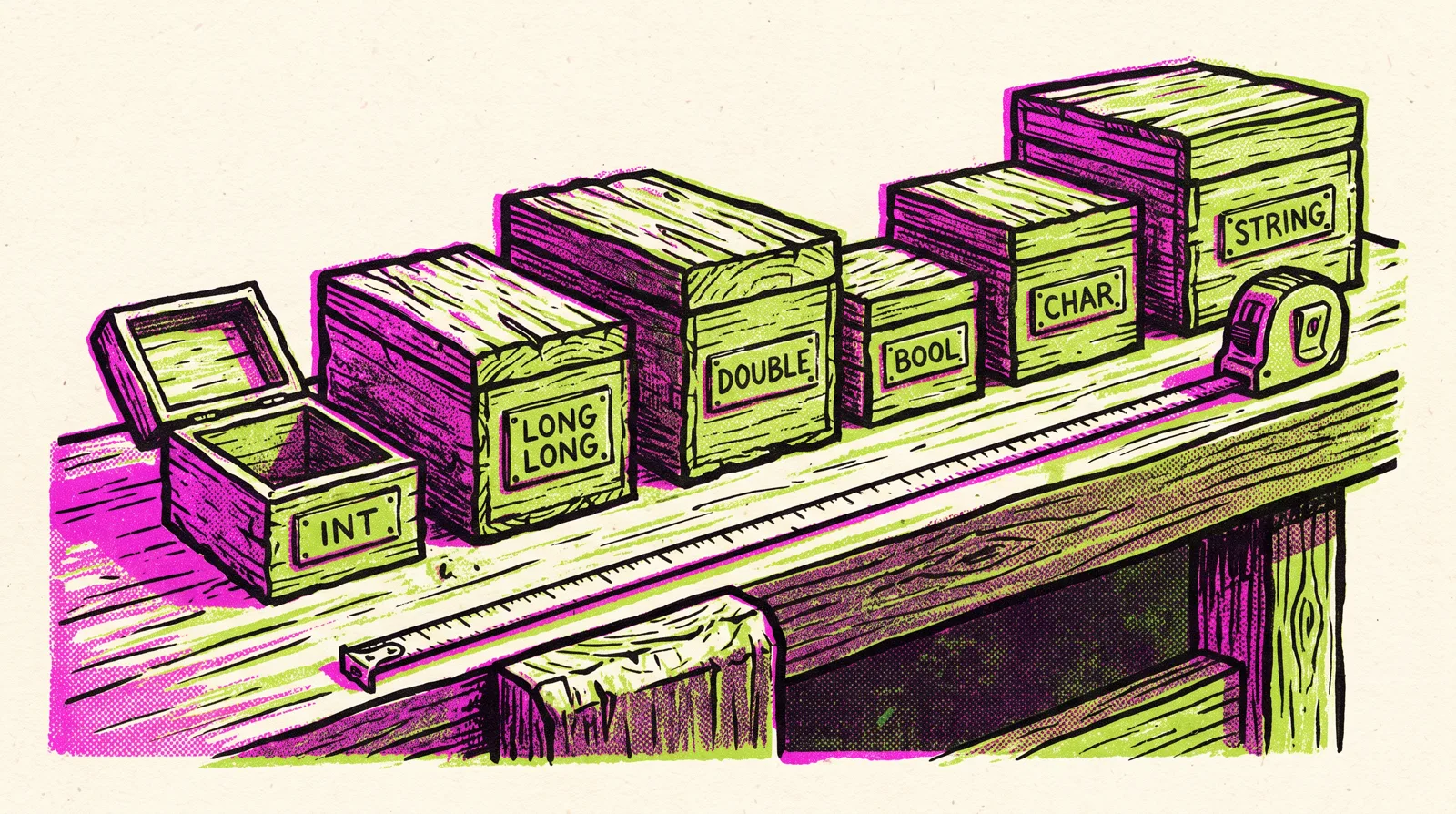
This is not a C++ course for people who have never programmed. It is a second language for someone who has a first one, taught entirely by contrast. Python let you write `age = 11` and never asked what `age` was. C++ makes you declare it, and it makes you choose between six kinds of box before you have put anything in one. That is annoying for about two hours and then it is the reason your program runs fast enough to finish inside a four-second limit. The spine of the segment is a port. You take the small question-and-answer script from the Python track — the one that asks your name, asks your favourite food and judges the answer — and you rebuild it in C++ a line at a time. Then you type your answer with a trailing space and it fails in exactly the same way it failed in Python. That is the point of the whole exercise. The trailing space was never a Python bug. It was an input bug, and it followed you. The last module points at USACO Bronze: what a competitive problem actually looks like on paper, how the input arrives, why the array is fixed at a thousand before you have read a single number, and why nearly everyone in that room is writing C++.
Nội dung khóa học · 4 mô-đun
lockMở khóa với quyền truy cập- 01 The Box Has a Size3 bài học·1h 22m
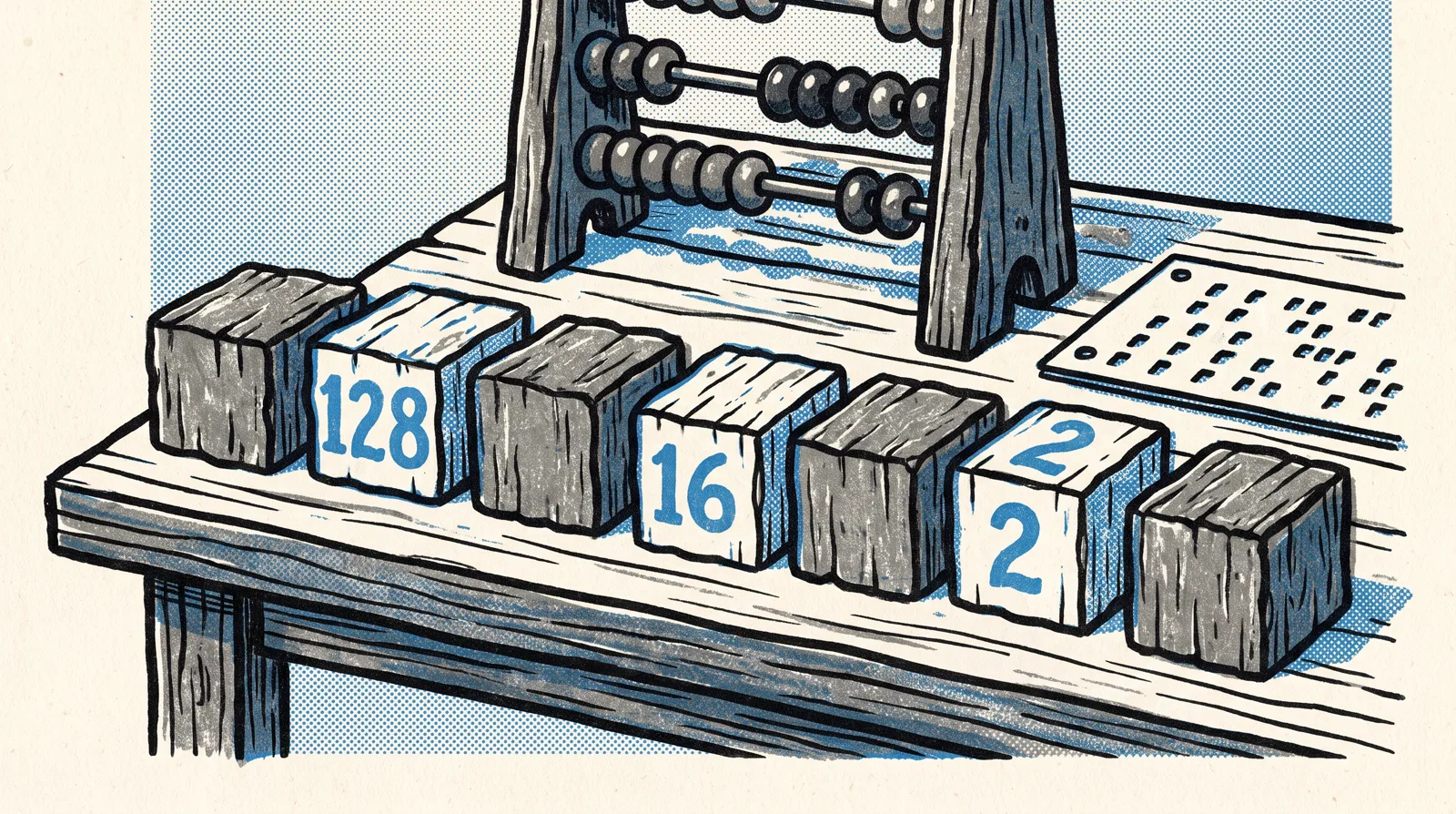
Python worked out what you meant. C++ makes you say it in advance, once, and then holds you to it for the rest of the program. Everything in this module is that one trade, examined.
- 02 Where the Error Arrives3 bài học·1h 23m
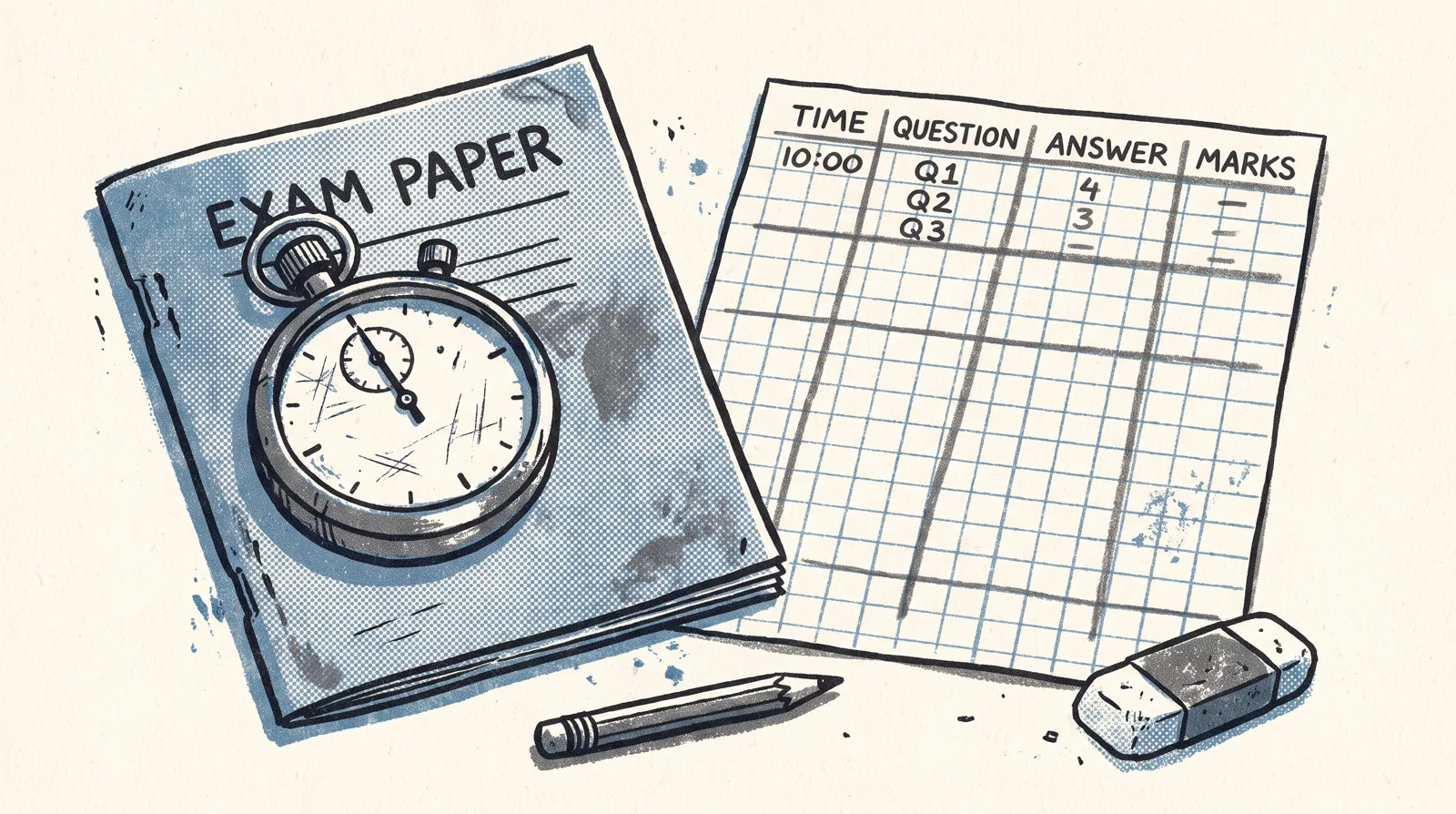
Python runs a line, then reads the next one. C++ reads the whole file, refuses it if any part of it is wrong, and only then produces something you can run. Nothing you wrote today runs until all of…
- 03 The Port3 bài học·1h 55m
Port it, do not rewrite it. Same order, same questions, same output. If you improve it while you translate it you will not be able to tell which differences are C++ and which are you.
- 04 The Shape of a Contest Problem3 bài học·1h 35m
A contest problem is a contract. Input format, output format, constraints, limits. Read the constraints before you think about the algorithm — they are telling you which algorithm is allowed.
Các câu hỏi thường gặp
- Tôi sẽ học gì trong From Python to C++ — and Why the Difference Matters?
- You already have a working Python program. You are going to write it again in C++, line for line, and reproduce its worst bug on purpose. Along the way you find out why the compiler wants to know the size of the box before you put anything in it, and why the error now arrives before the program has
- Tôi có cần kinh nghiệm trước đó không?
- Nên có một số kiến thức trước đó trước khi bắt đầu From Python to C++ — and Why the Difference Matters.
- From Python to C++ — and Why the Difference Matters mất bao lâu?
- From Python to C++ — and Why the Difference Matters bao gồm 4 mô-đun và 12 bài học. Bạn học theo tốc độ của riêng mình.
- Làm cách nào để tôi có quyền truy cập?
- From Python to C++ — and Why the Difference Matters được bao gồm trong bất kỳ gói đăng ký nào.
Thêm trong Lập trình