IB Computer Science SL — Phần không có trong các bài thi khác
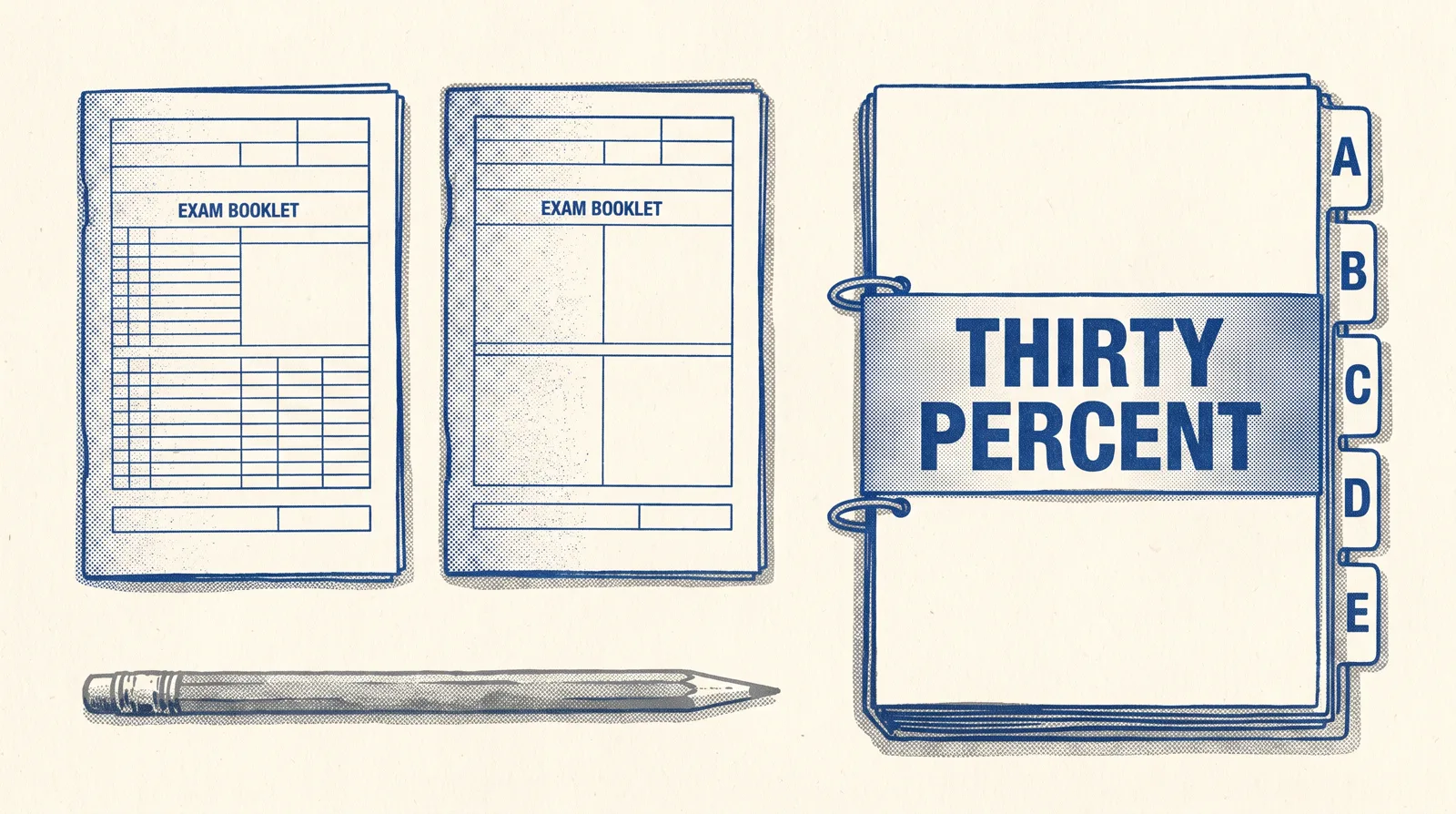
30% môn IB Computer Science SL mà không khóa học thi nào khác đề cập. Đánh giá nội bộ như một dự án với sơ đồ điểm: tiêu chí A đến E, tiêu chí thành công có thể đo lường, và bằng chứng tiêu chí D thực sự trả. Lập trình hướng đối tượng như các bài thi đánh giá, với sơ đồ lớp đọc và vẽ. Machine learning ở độ sâu SL, với phân chia huấn luyện và kiểm thử được trình diễn trong mã có thể chạy được. Trường hợp được thấy trước và quy tắc của Paper 2 — bao gồm các câu hỏi cấm các hàm tích hợp mà thói quen của bạn phụ thuộc vào.
- trending_upIntermediate
- schedule6h 26m
- menu_book12 bài học
- publicEnglish
- workspace_premiumBasic
Tóm tắt
Học sinh IB Computer Science SL được kiểm tra ba điều mà khóa học GCSE hoặc IGCSE không bao giờ chạm vào, và chúng trị giá hơn một nửa điểm số. Đánh giá nội bộ chiếm 30%, được chấm theo năm tiêu chí được công bố, và nó được hoàn thành trước khi phòng thi mở. Lập trình hướng đối tượng là cốt lõi. Machine learning cũng vậy. Người học chuẩn bị từ khóa học theo Cambridge nhận được 70% chương trình học vững chắc và không có bất kỳ phạm vi nào của phần quyết định mức độ 6. Phân đoạn này là 30% còn thiếu, và chỉ là phần đó. Nó không dạy các bảng theo dõi, tìm kiếm, sắp xếp, nhị phân hoặc cơ sở dữ liệu — những cái đó nằm trong các phân đoạn thi khác và được đặt tên nơi bạn cần. Cái nó dạy là gì: cách viết tiêu chí thành công mà người chấm thi thực sự có thể chấm, và cách 12 điểm của tiêu chí D được kiếm được trong những tuần chứ không phải được nêu ra trong một bài viết cuối cùng. Lớp là gì, đối tượng là gì, và câu hỏi kế thừa được chấm như thế nào. Học tập giám sát thực sự là gì, tại sao dữ liệu kiểm thử lại bị giữ lại, và một mô hình đã ghi nhớ tập dữ liệu huấn luyện của nó trông như thế nào khi nó gặp một giá trị nó chưa bao giờ thấy — được hiển thị trong mã bạn chạy, không phải trong sơ đồ. Và hai bài thi: trường hợp bạn được cung cấp trước và nên chú thích đến chết, và các câu hỏi Paper 2 in *không sử dụng các hàm tích hợp* ở trên không gian trả lời. Viết so với hướng dẫn IB Computer science với lần đánh giá đầu tiên vào năm 2027 — khóa học hiện tại, với chủ đề A và B, IA giải pháp tính toán và trường hợp trong Paper 1. Nếu bạn đang thi lại theo chương trình học sắp tới vào tháng 11 năm 2026, kỷ luật IA, mô-đun OOP và kỹ thuật câu hỏi được chuyển tiếp; các ghi chú cấu trúc bài thi cho bạn biết phiên làm việc của bạn khác ở đâu. Mọi câu hỏi và kịch bản trong phân đoạn này đều là bản gốc, được viết theo phong cách của các câu hỏi IB. Không có bài thi quá khứ, sơ đồ chấm điểm hoặc văn bản hướng dẫn chủ đề nào được tái tạo, và Korra Academy không liên kết với hoặc được chứng thực bởi Tổ chức Baccalaureate Quốc tế hoặc bất kỳ hội đồng thi nào.
Nội dung khóa học · 4 mô-đun
lockMở khóa với quyền truy cập- 01 Đánh Giá Nội Bộ3 bài học·1h 36m
Ba mươi phần trăm của điểm được quyết định trước khi cửa phòng thi mở ra, và đây là phần duy nhất của khóa học mà sơ đồ điểm được công bố, đầy đủ, trước khi bạn bắt đầu. Hầu như không ai đọc nó trước…
- 02 Objects, Như Bài Viết Nhìn Thấy Chúng3 bài học·1h 38m
OOP là lõi dưới hướng dẫn hiện tại, và đó là chủ đề mà thói quen của một học viên được đào tạo Python trông mạnh nhất và ghi điểm tệ nhất. Viết một class hoạt động không phải là kỹ năng được đánh…
- 03 Machine Learning at SL Depth3 bài học·1h 31m
Đây là chủ đề không tồn tại trong bất kỳ chương trình giáo dục nào khác, vì vậy mỗi học viên đều đến với hoặc không có gì hoặc với từ vựng từ internet, và từ vựng tệ hơn không có gì vì nó nghe giống…
- 04 Hai Bài Thi3 bài học·1h 41m
IB gửi cho bạn một phần bài thi nhiều tháng trước và hầu hết thí sinh đọc nó hai lần rồi gọi đó là chuẩn bị. Bài học tình huống xem nó như một tài liệu làm việc: năm lần đọc, mỗi lần để lại dấu hiệu…
Các câu hỏi thường gặp
- Tôi sẽ học gì trong IB Computer Science SL — Phần không có trong các bài thi khác?
- 30% môn IB Computer Science SL mà không khóa học thi nào khác đề cập. Đánh giá nội bộ như một dự án với sơ đồ điểm: tiêu chí A đến E, tiêu chí thành công có thể đo lường, và bằng chứng tiêu chí D thực sự trả. Lập trình hướng đối tượng như các bài thi đánh giá, với sơ đồ lớp đọc và vẽ. Machine learni
- Tôi có cần kinh nghiệm trước đó không?
- Nên có một số kiến thức trước đó trước khi bắt đầu IB Computer Science SL — Phần không có trong các bài thi khác.
- IB Computer Science SL — Phần không có trong các bài thi khác mất bao lâu?
- IB Computer Science SL — Phần không có trong các bài thi khác bao gồm 4 mô-đun và 12 bài học. Bạn học theo tốc độ của riêng mình.
- Làm cách nào để tôi có quyền truy cập?
- IB Computer Science SL — Phần không có trong các bài thi khác được bao gồm trong bất kỳ gói đăng ký nào.
Thêm trong Lập trình