IA Sin el Hype
Qué está haciendo realmente el modelo cuando te responde, por qué eso produce algo que parece pensamiento, por qué inventa citas, y la mecánica de costo que casi nadie explica: un chat reenvía toda la conversación en cada turno. Harás la aritmética tú mismo.
- trending_upBeginner
- schedule4h 20m
- menu_book9 lecciones
- publicEnglish
- workspace_premiumBasic
Briefing
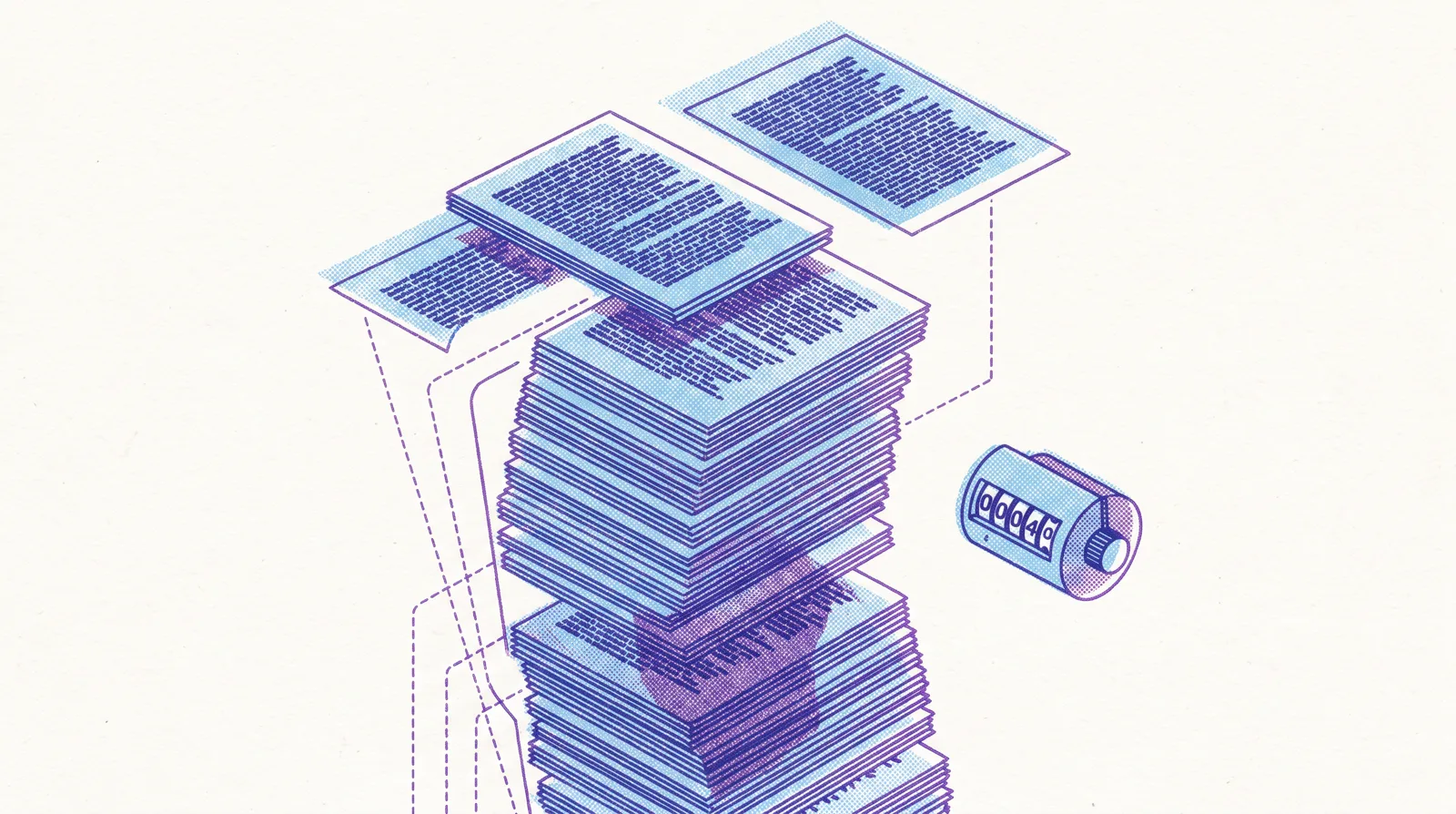
Este no es un curso sobre qué podría hacer la IA al mundo. Es un curso sobre qué hace la herramienta que tienes delante cuando presionas Enter. El segmento completo reemplaza la magia con el mecanismo. Verás por qué un modelo que solo predice la siguiente palabra produce algo que se lee como razonamiento, y dónde se detiene ese parecido. Conseguirás que te dé una respuesta confiada, específica y completamente incorrecta a propósito, luego la atrapará. Trabajarás en papel por qué tu cuadragésimo mensaje en un hilo cuesta aproximadamente ochenta veces lo que costó el primero, y qué hacer al respecto. Reescribirás un prompt malo convirtiéndolo en una instrucción y verás el mismo modelo producir trabajo de diferente calidad desde la misma solicitud. Nada aquí requiere una suscripción a nada en particular, ni programación. Necesitas una interfaz de chat, un archivo de texto para tomar notas y disposición para verificar las cosas. Al final podrás decir qué es buena la herramienta, qué no puede saber, qué te cuesta, y cómo obtener más de ella que la persona a tu lado.
Temario del curso · 3 módulos
lockSe desbloquea con acceso- 01 Lo Que Realmente Está Haciendo3 lecciones·1h 22m
Nada en este módulo te obliga a confiar en el tutor. Cada afirmación en él es una que puedes probar en una ventana de chat en menos de un minuto, y vas a probarlas.
- 02 El contador está corriendo3 lecciones·1h 29m
Un chat no tiene memoria. Tiene un transcript, y ese transcript se relee desde el principio cada vez que hablas. Todo sobre costo, velocidad y "olvidó lo que dije" se deduce de ese único hecho.
- 03 Haciendo que Haga lo que Quieres3 lecciones·1h 29m
Basura entra, basura sale. El modelo no puede conocer las cosas que no le dijiste, y no se detendrá a preguntar — llenará el vacío con lo que sea estadísticamente ordinario y te lo entregará sin…
Preguntas frecuentes
- ¿Qué aprenderé en IA Sin el Hype?
- Qué está haciendo realmente el modelo cuando te responde, por qué eso produce algo que parece pensamiento, por qué inventa citas, y la mecánica de costo que casi nadie explica: un chat reenvía toda la conversación en cada turno. Harás la aritmética tú mismo.
- ¿Necesito experiencia previa?
- No — IA Sin el Hype parte de los fundamentos y es apto para principiantes.
- ¿Cuánto tiempo lleva completar IA Sin el Hype?
- IA Sin el Hype incluye 3 módulos y 9 lecciones. Aprendes a tu propio ritmo.
- ¿Cómo obtengo acceso?
- IA Sin el Hype está incluido en cualquier suscripción de pago.
Más en Programación