What a Family Should Actually Lock Down
Your child's accounts are not the attack surface of your household. Yours are. Four sessions at the kitchen table that produce one written record: which accounts exist, which one recovers all the others, who actually has access to what, and what to do first on a bad day. No software to install, nothing technical to know, and not one password written down anywhere.
- trending_upBeginner
- schedule3h 47m
- menu_book12 lessons
- publicEnglish
- workspace_premiumBasic
Briffing
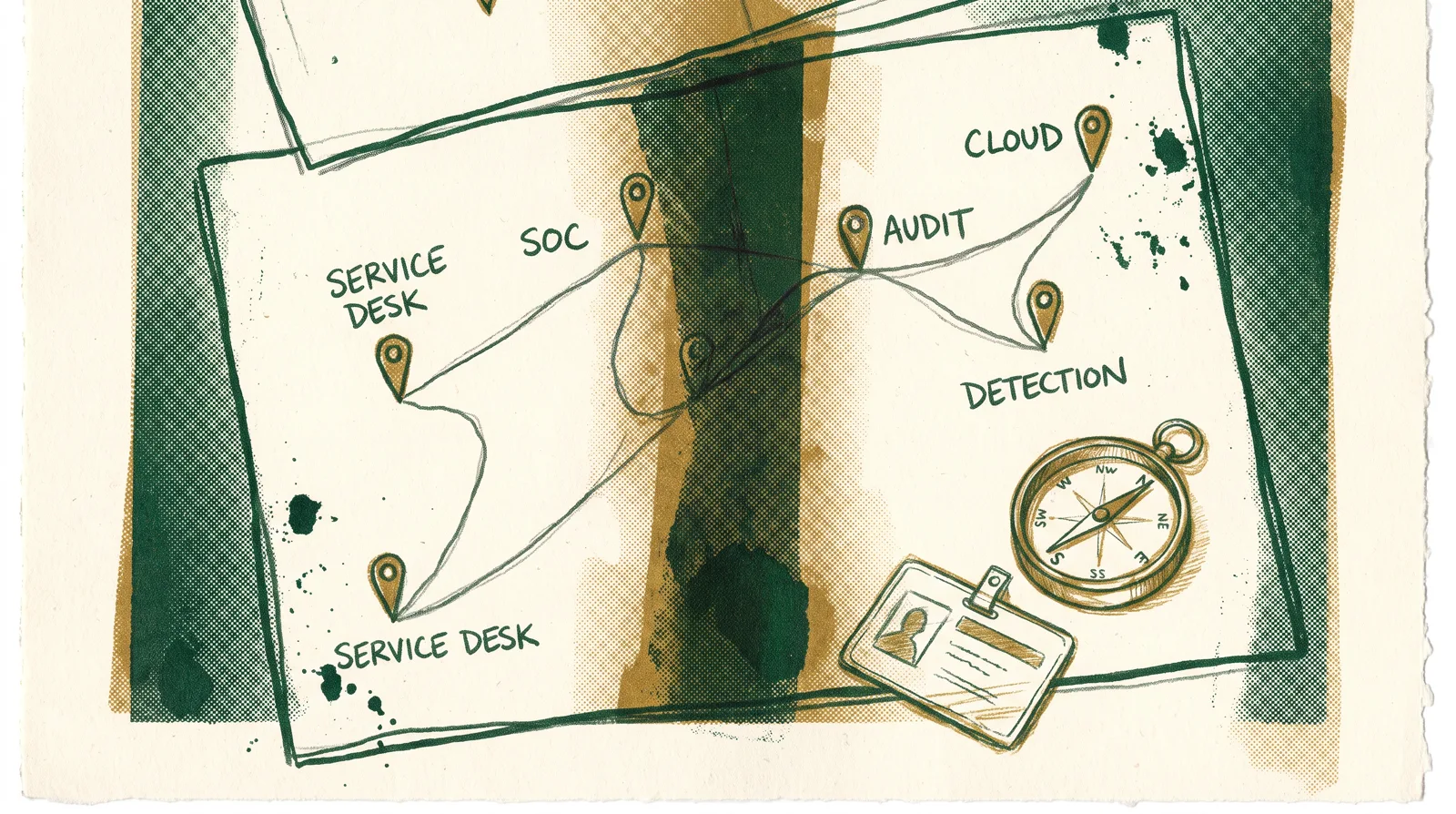
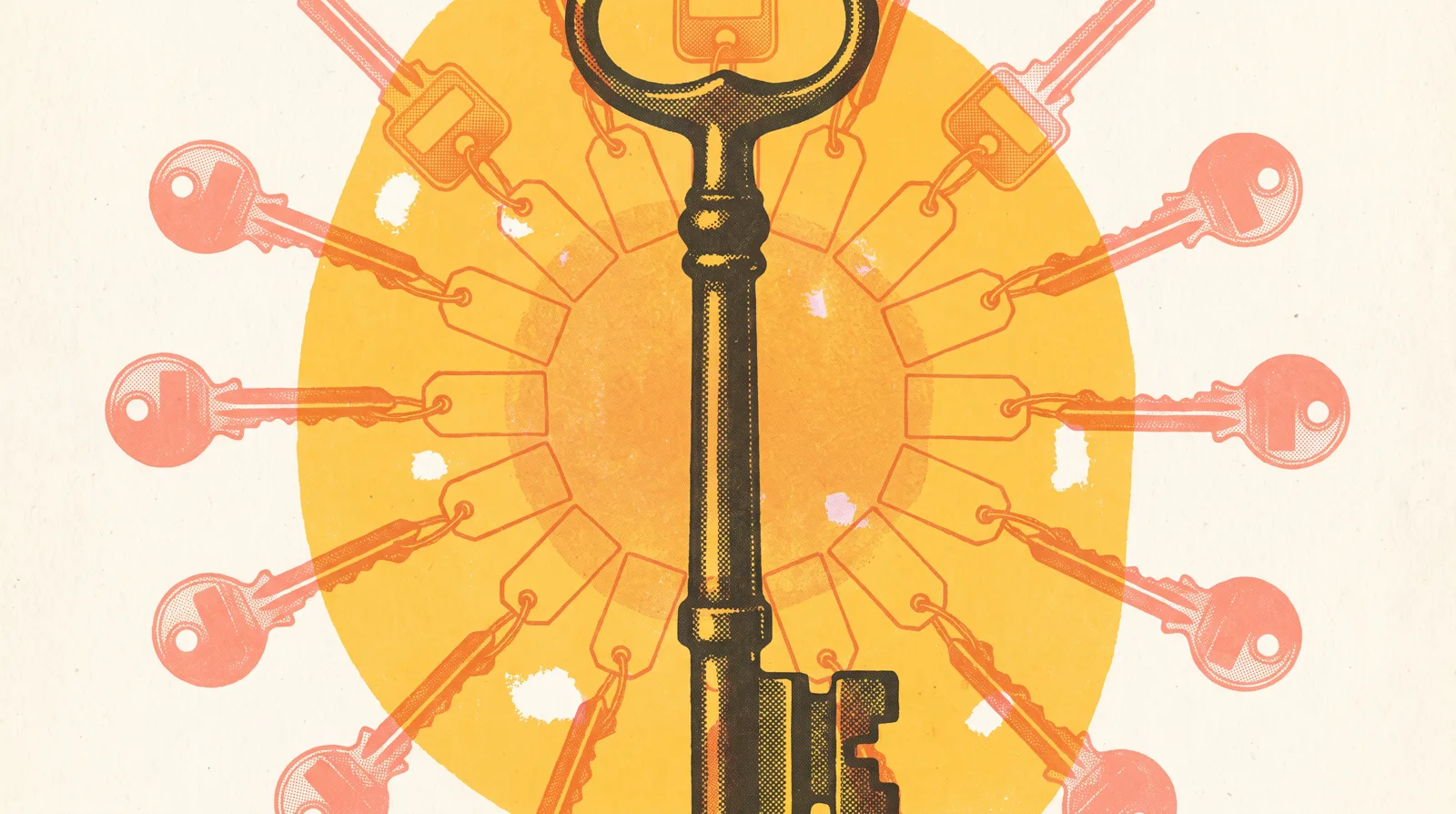
Ask a household who can get into the bank account and you get a name. Ask what recovers the mailbox that resets the bank password and you get silence. That mailbox is the account that unlocks the others, almost nobody has ever looked at its own recovery settings, and that is where this segment starts. Four sessions, each producing one page of a written record. First you list every account the household holds and draw an arrow from each one to whatever its forgot-password button lands on — and watch nearly every arrow converge on one mailbox. Then you lock that mailbox down properly: a recovery number somebody still holds, printed backup codes in a physical place, and nothing circular. Then the shared surfaces nobody thinks of as accounts: the streaming login everybody knows, the router with the installer's password still on it, the old phone in a drawer that is still signed in to everything. Last, the after: a breach letter arrives, a child's account is taken over, somebody moves out and the accounts do not move out with them. For each one, the first hour, written down in advance, when nobody is upset. Nothing is installed. Nothing needs a technical background. Every setting is described by what it is made of rather than where the menu was last Tuesday, so the record outlives the next redesign. And the record itself contains no passwords and no codes — locations and owners only — so a lost binder costs you nothing.
Amlinelliad y cwrs · 4 modules
lockYn datgloi gyda mynediad- 01 The Account That Unlocks the Others3 lessons·54m
Do not announce a security project. Announce a list. The discovery this module is built around — one column with the same answer in almost every row — has to be found on the family's own paper, not…
- 02 Locking the Root3 lessons·54m
This is the only module where settings actually change. Keep the scope brutal: the root mailbox only. Fixing every account in the house is a month of evenings and nobody finishes; fixing the one at…
- 03 The Shared Surfaces3 lessons·59m
The child joins here and stays. Nothing in this module is done to the child or behind them; the sweep is a family walk through the house with a sheet of paper, and a teenager is usually better at it…
- 04 After3 lessons·1h
The whole module is rehearsal. The first hour of a real incident is the worst possible time to be deciding anything, so every decision is made now, at a calm table, and the bad day is reduced to…
Cwestiynau a ofynnir yn aml
- Beth a ddysgaf yn What a Family Should Actually Lock Down?
- Your child's accounts are not the attack surface of your household. Yours are. Four sessions at the kitchen table that produce one written record: which accounts exist, which one recovers all the others, who actually has access to what, and what to do first on a bad day. No software to install, noth
- A oes angen profiad blaenorol arnaf?
- Na — mae What a Family Should Actually Lock Down yn dechrau o'r hanfodion ac yn addas ar gyfer dechreuwyr.
- Pa mor hir y mae What a Family Should Actually Lock Down yn ei gymryd?
- Mae What a Family Should Actually Lock Down yn cynnwys 4 modules ac 12 lessons. Rydych chi'n dysgu ar eich pace eich hun.
- Sut rydw i'n cael mynediad?
- Mae What a Family Should Actually Lock Down yn cael ei gynnwys gydag unrhyw danysgrifiad talu.
Mwy yn Amddiffyn Cyber